Direct from our quarry in Portugal
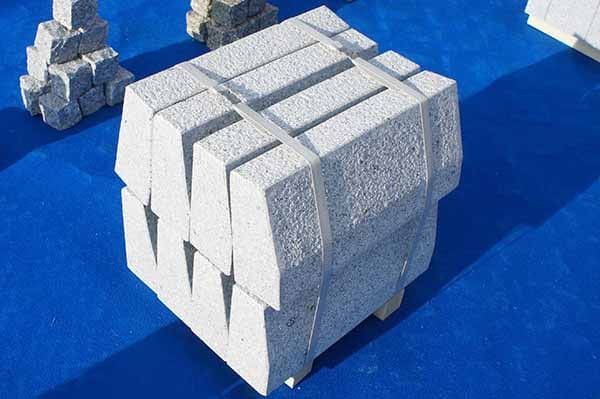
A clean, lasting edge for drives, terraces and beds. Granite kerb (lancis) in grey, 8×20 cm section. Profiles Simple, P1, T2 and A2. Delivered across Europe, sold per linear metre. Firm quote within 24 hours, or order online.
Quote: tell us the product, length (linear metres) and postcode → firm delivered price within 24 hours. · Buy online: order and pay straight away in the shop.
✓ Delivered across Europe✓ Delivery in 1–2 weeks✓ Reply within 24 h

Product & pricing
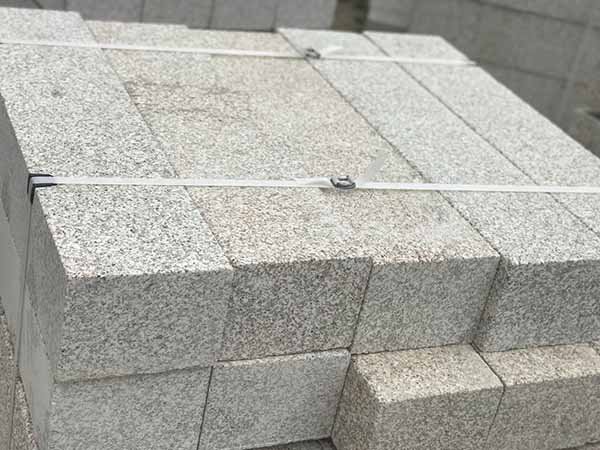
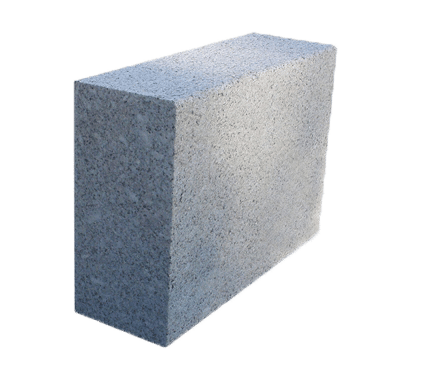
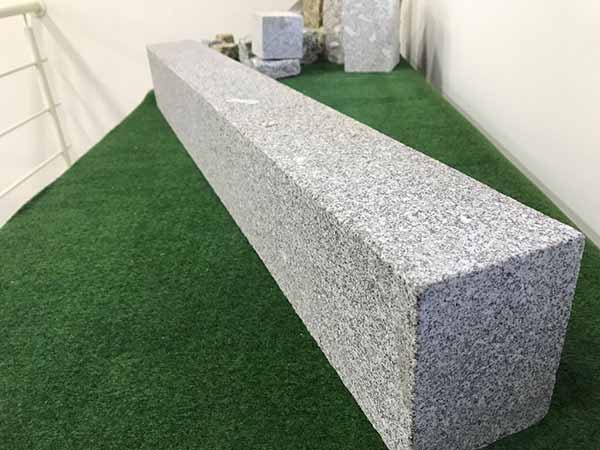
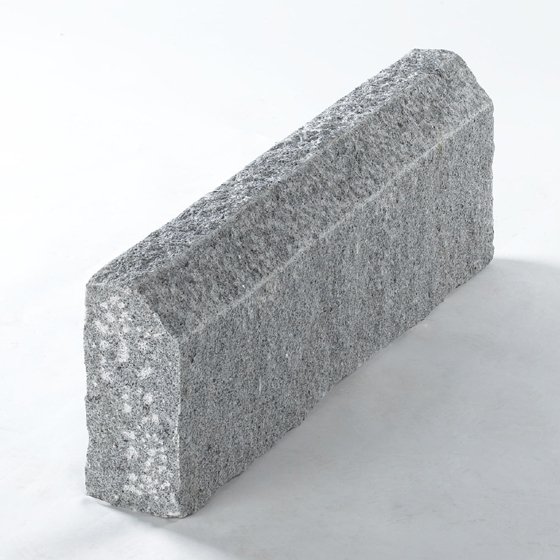
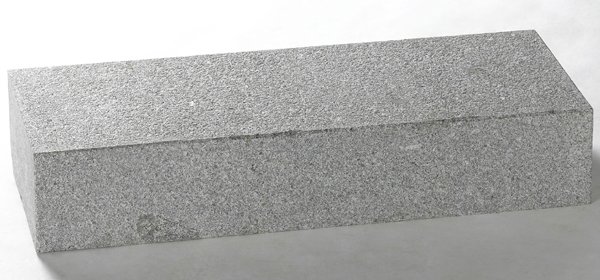
8×20 cm section (lancis), two sandblasted faces. Priced per linear metre, delivered across Europe — quote on request.
| Product | Ref. | Section | Weight | Price |
|---|---|---|---|---|
| Grey granite kerb 8×20 | BORDURE-GRIS | 8×20 cm section | ≈ 43 kg/lin.m | On request |
Trade prices on request, delivered across Europe. Other sections (10×25, 12×25…), profiles P1 / T2 / A2, lengths and bespoke: on request.
Grey granite kerb
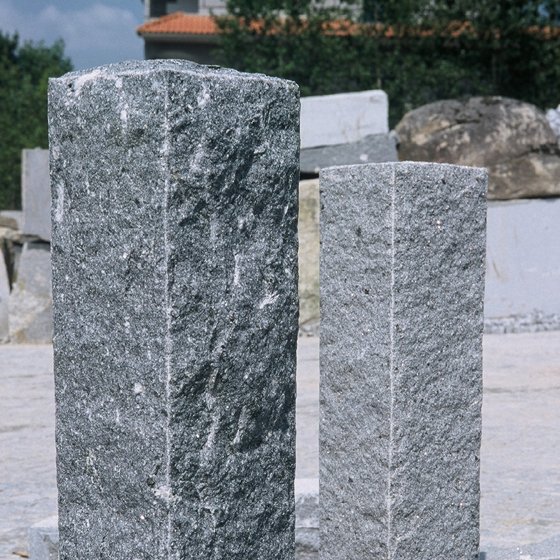
The granite kerb, also known as edging or by its trade name lancis, is the most durable way to edge a drive, a terrace, a bed or a lawn cleanly. Quarried and dressed in our own quarry in Portugal, it is solid stone — not a reconstituted concrete or a moulded profile — dense, frost-proof and all but indestructible. You buy direct from the producer: the delivered price is the final price to your door, with no middleman and no carriage charges tacked on at the end. The kerb is sold by the linear metre and comes in a standard 8×20 cm section.
A kerb does two jobs at once: it draws a crisp line between two spaces (say the gravel of a drive and the lawn), and it physically retains the materials in place — sand, setts, topsoil — that would otherwise spread over the seasons. Laid on a concrete footing, it contains the thrust of the surfacing and guides rainwater to the outfalls. Where a concrete edging greys, splits and crumbles after a few winters, granite keeps its crisp arris and its colour for decades. By buying direct from the quarry, you pay for the stone, not the chain of resellers: that is what lets us quote a producer's price, delivery included.
Our grey Portuguese granite is a very hard igneous rock, with a compressive strength above 2,180 kg/cm² and water absorption below 0.2%. In plain terms, the kerb will not crack in the frost, will not distort in the heat and does not stain easily. It is the same stone as our setts and our paving slabs: you can match kerb, drive and terrace in one and the same material, with a perfectly consistent shade.
Standard profiles
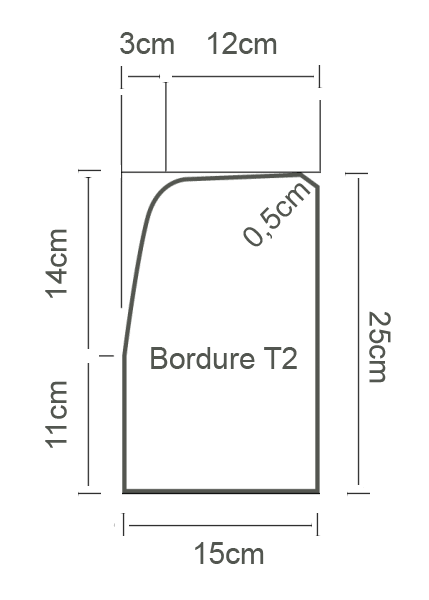
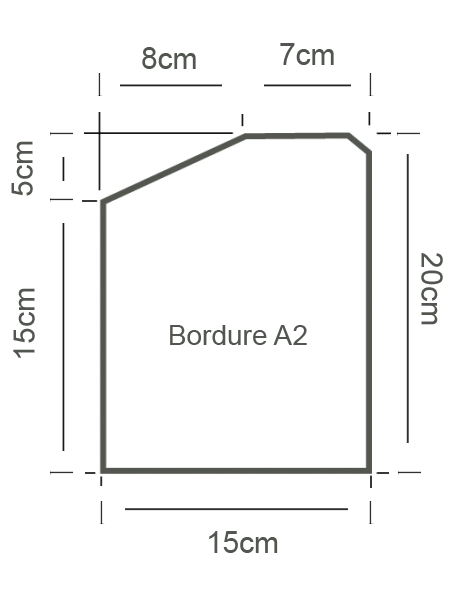
Simple, P1, T2 and A2: the standard profiles for each use, from the garden to the highway — each with its technical diagram.

A straight profile with a sharp arris and two sandblasted faces. For edging drives, terraces and beds with a clean, understated line.

A rounded top corner, the civil-engineering standard for pavements and footways. Easy on the eye, it limits chipping.

A crisp, robust chamfered arris, suited to high-traffic roads. The chamfer protects the corner from wheel knocks.

The vehicle-access kerb, dropped and profiled to be driven over: garage entrances, crossings, and step-free access.
Not sure which profile to choose? Tell us the use (garden, footway, vehicle access) on the quote form and we will confirm the profile with you.
Finishes
From a raw riven look to a bush-hammered or flamed surface, to suit the effect you are after.

A raw, traditional look from splitting: each face keeps the natural relief of the granite. A great favourite for gardens.

A surface evened by sandblasting: a matt, uniform, understated look. The standard finish of our 8×20 kerb.

An even texture worked with the hammer: a high-end finish, extra grip and good at hiding fine scratches.

A surface textured by thermal shock: very non-slip, perfect near a pool or in a wet area.
The finish changes the look and the feel, never the durability: whatever the surface, it is the same dense, frost-proof granite.
Sizes & sections
Standard 8×20 cm section, other sections and lengths on request.
| Section (w×h) | Typical use | Lengths | Indicative weight |
|---|---|---|---|
| 8×20 cm | Garden, drives, beds (standard) | 50–100 cm | ≈ 43 kg/lin.m |
| 10×25 cm | Pavements, footways | 50–100 cm | ≈ 67 kg/lin.m |
| 12×25 cm | Highways, heavy traffic | 50–100 cm | ≈ 80 kg/lin.m |
Standard section supplied: 8×20 cm, ≈ 43 kg/lin.m. Other sections, lengths and curved (radius) kerbs are made on request. Allow a small margin for cuts and corners.
Laying guide
Laying a granite kerb is within reach of a competent DIYer, but it calls for care over alignment and the foundation. Here are the main principles; if in doubt, call in a paviour or ask us for advice on the quote form.
Dig out a trench along the run, then cast a concrete footing (foundation) about 10 to 15 cm deep. It is this that takes the loads and stops the kerb moving over time. Wait until the concrete is beginning to go off but is not fully hard: the kerb is bedded into this still-fresh bed.
Set up a string line at the finished height you want and lay each unit to it, adjusting the height and line with a rubber mallet. Check the level and the fall regularly. For a curve, use shorter units and open the joints slightly.
On the carriageway or "low" side, cast a back haunch (a fillet of concrete) against the foot of the kerb, up about a third of its height. It is this haunch that locks the kerb against the thrust of the surfacing and the passage of wheels. Without it, the line eventually works loose.
Fill the joints between units with mortar (5 to 10 mm) and strike them off smooth. On a free-draining path, a stabilised-sand joint is an option. Clean the stone before the mortar sets to avoid staining.
Always set the line with a slight fall in the direction of water run-off. Alongside a carriageway, the kerb forms a channel with the surfacing that carries rainwater to the gullies, with no ponding at the foot of walls.
Maintenance
A simple jet of clean water, and if needed a neutral soap, is all it takes to clean the kerb. Avoid strong acids, which attack the joint mortar.
Granite is naturally low in porosity: no sealer is essential. The stone does not weather and keeps its crisp arris year after year.
Solid stone with low absorption (0.2%), tested to standard EN 12371: it holds up anywhere in the UK and Europe, even in the uplands, without crumbling like concrete.
On a concrete footing with a back haunch, the kerb takes repeated wheel traffic and mower knocks without chipping.
Uses
From the garden to the highway, the kerb structures, protects and guides water.
Draws a crisp boundary between the drive, terrace, lawn and beds — and stops the materials mixing (gravel, soil, grass).
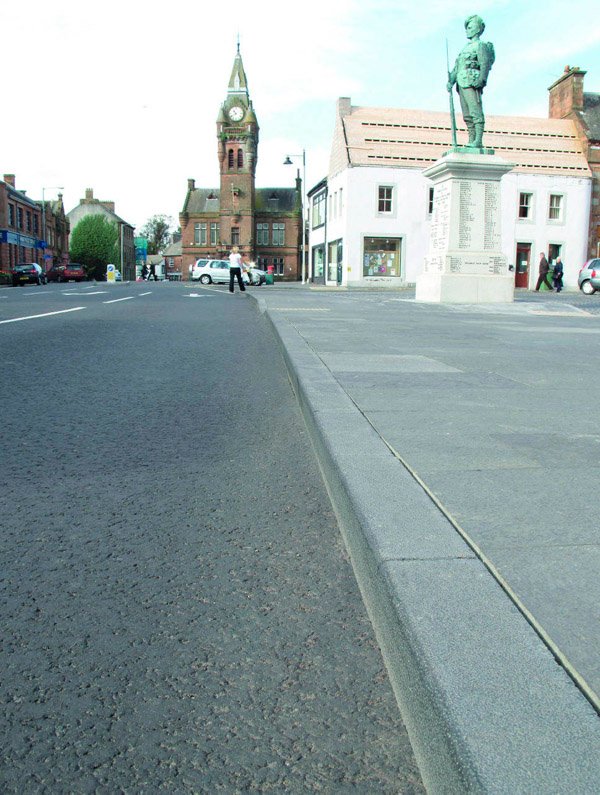
Alongside a carriageway, the kerb forms a channel with the surfacing that carries rainwater to the gullies and protects the foundations.
It contains the lateral thrust of a paved or bound surface: without an edge kerb, the setts eventually spread apart.
It physically separates the carriageway from the footway, with the T2 profile for high-traffic areas.
At pedestrian crossings, the dropped A2 ramp kerb allows wheelchairs and pushchairs to cross, in line with accessibility rules.
Around a bed or a border, it makes mowing easier (the mower wheel runs on it) and keeps crisp lines all year round.
Concrete vs granite
Concrete edging costs less up front… then greys, splits and crumbles after a few winters. The granite kerb, by contrast, keeps its crisp arris for decades.
Indicative comparison for outdoor use, standard grey 8×20 granite kerb.
Projects
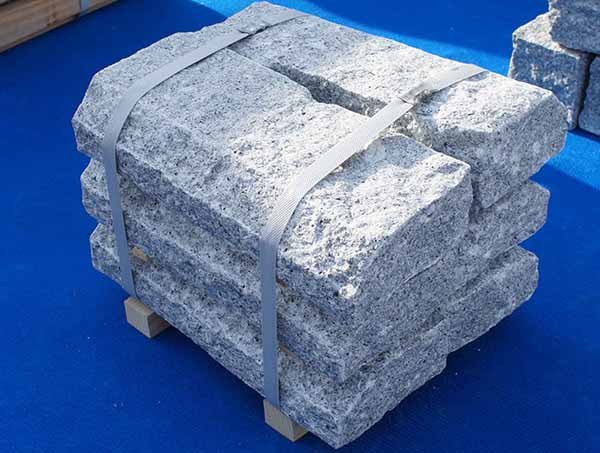
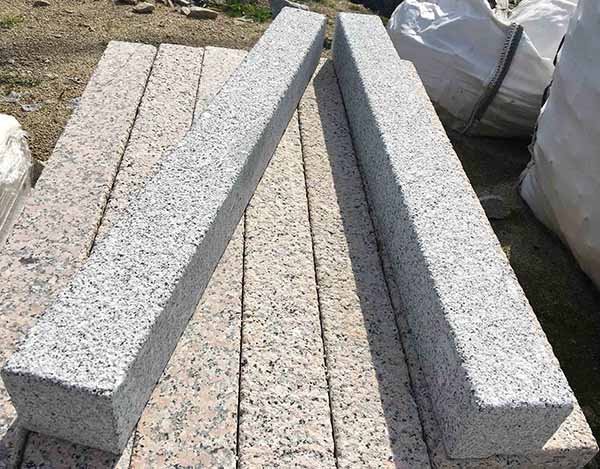
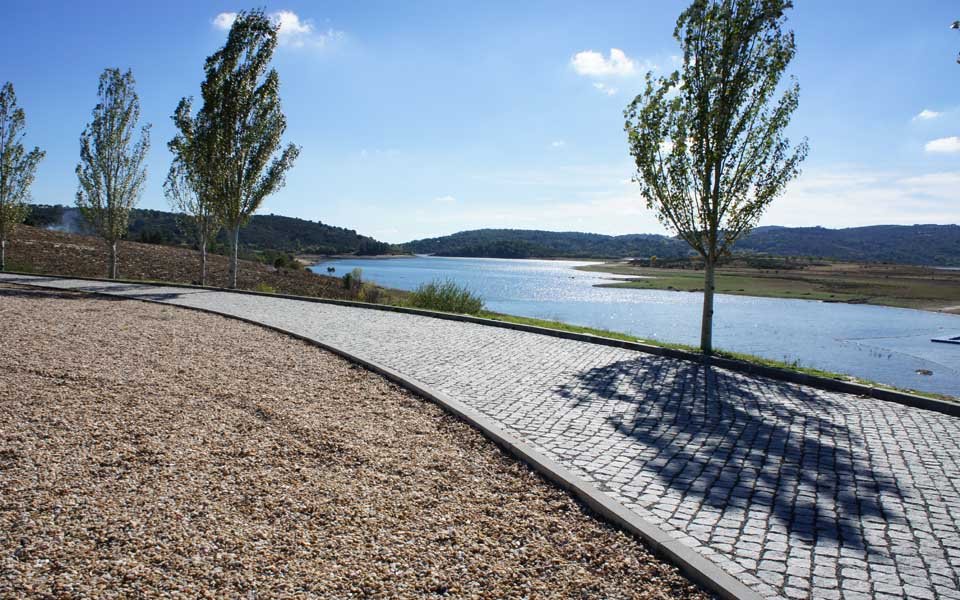
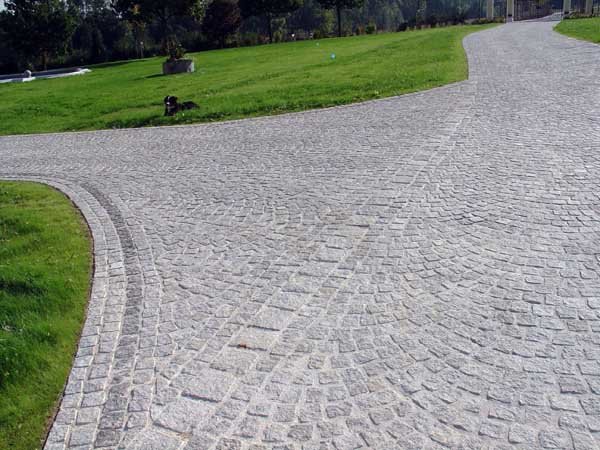
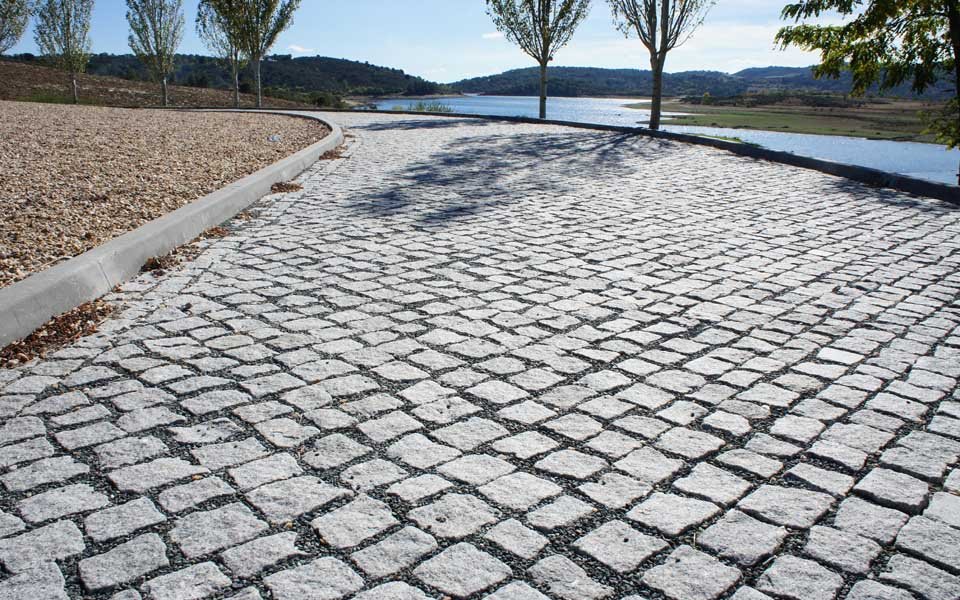
Granite kerbs edging drives and terraces, delivered across Europe.


Why Desenvolmente
No middleman: you pay for the stone, not the chain of resellers.
Dense, non-slip, frost-proof stone, dressed by our own teams.
Transport to your site is already priced into your quote.
A clear, quick answer, with no obligation.
Trusted by our customers
Real Google reviews from our customers across Europe, updated automatically.
Frequently asked questions
Get a firm, tailored quote within 24 hours — trade prices on request, delivered across Europe. No obligation.
Request my free quoteExplore

✓ Direct from quarry · ✓ Delivered across Europe · ✓ Reply within 24 h
Or call us: +351 935 060 800 · stone@dvtstone.com
We'll get back to you within 24 hours with your quote.